
Related trades
Industry insurance · Plasterers and Renderers
Brisbane-based, Australia-wide brokers for plasterers and renderers. Tell us whether you work inside, outside or both, and the heights you work at, and we’ll help you set up the right covers.



Plasterers insurance at a glance
Injury or damage from linings or render.
Mixers, stilts, scaffolds and hand tools.
Internal and external access.
What builders ask for.
The basics
Plasterers and renderers insurance is the mix of covers a linings or rendering business needs. Internal set plaster, cornice, wet plaster and external render sit differently with insurers.
Height, scaffolding and external work should be declared. Damage to finished surfaces and neighbouring property are common claim themes on these jobs.
Claims linked to your linings or render.
Tools, mixers and access equipment.
Limits and access conditions.

Cover that matches how you finish.
Your business
Insurance needs grow with the business. Start with the option closest to how you work today.
Cover options
Most plastering businesses need a mix, not every policy. Your broker helps you choose what fits.
Claims that your work injured someone or damaged property, including finished surfaces.
Risks of running a company, and cyber incidents that stop work.
General information only. Cover depends on the insurer and the policy wording.
Related pages
Choose a related page, or tell us what you finish.
What we ask
Two plastering businesses of the same size can be very different risks. These details shape your cover.
01
Set plaster, cornice, wet plaster, acrylic or cement render.
02
Homes, units, commercial or facade work.
03
Stilts, scaffolds, EWPs and maximum height.
04
Employees, labourers or subcontractors.
05
Mixers, stilts and what you leave on site.
06
Limits, indemnities and who you contract with.
Moving into multi-storey external render? Tell your broker before you start.
Site and contract requirements
Builders usually ask for proof of Public Liability before you start. Height and scaffold conditions often sit in the subcontract.

A certificate of currency confirms a policy is in force. It doesn’t prove every contract requirement is met, so send us the details.
From trade clients
What our clients say, in their own words.
Illustrative example · Plasterers
Illustrative example, not a real client. An internal plastering crew is offered external render on a two-storey home.
We would check whether external render and the working height are declared, how scaffold is arranged, and what the builder’s subcontract asks for.
The new external work is declared before the first coat.
Individual outcomes depend on the circumstances, insurer appetite and policy terms. This example doesn’t guarantee a claim payment, timeframe or premium saving.
“”
“I have been P.I.B for my small joinery business since finding them on tiktok (@priorityinsurancebrokers) I reached out because my previous broker doubled my premium in one year claiming they couldn’t find a premium to suit my business anywhere else. Priority insurance brokers immediately responded and got the details they needed from me to give me a very well tailored insurance package that covered more than my previous insurer did and cost less. They have again for a second year been able to keep my premium at the same price without any increase and still managed to give me the same level of cover and answer any of my questions throughout the year promptly. Business insurance is now something I no longer have to worry about it’s completely in their hands and I have complete confidence in them, I highly recommend them to anyone.”
“”
Verbatim Google reviews, shown with the reviewers’ own wording.
How it works
You don’t need to know every insurance term. Start with the facts about your work.
01
Your linings or render, heights, crew, tools and contracts.
02
We work out what insurers need to know and approach suitable markets.
03
Cover, limits, exclusions, excesses and premium, before you decide.

Daniel Ufer
Managing Director
Your broker
Daniel founded Priority and still looks after key accounts. He works closely with trades, construction and other blue-collar businesses, and our team works the same way.
Trades
Finishing
Tools
Heights
Qualifications
FAQs
Most start with Public Liability and tools, then add vehicles and contract works. Height and external render should be declared.
Insurers care about how you access the work. Tell your broker about stilts, scaffolds or EWPs and the heights you reach.
It can cover damage to other people’s property, depending on the wording. Rectifying your own defective plaster is often separate.
Yes. Insurers ask about subcontractors because they change your cover and premium. Some policies exclude claims from uninsured or undeclared subcontractors.
External render and multi-storey work can change how insurers see the risk. Name the work so the policy matches.
Not always. A private motor policy may not cover business use or a fit-out.
Before you start trading on your own. Work you do through your own business isn’t covered by an employer’s policy.
It depends on your work type, heights, crew size, turnover, tools, claims history and the covers you choose. A broker needs those details to give you an accurate quote.
Not sure what your business needs? Tell us how you work and we’ll take you through it.
Let’s talk about your work
New cover, a contract requirement or a review of what you have now. Every enquiry goes to a broker.
Call a broker
07 3103 2992
quotes@priorityib.com.au
Office
Level 7, 154 Melbourne Street, South Brisbane QLD 4101
General information only. Availability, limits, exclusions and premiums depend on your circumstances and the insurer. Submitting an enquiry doesn’t put cover in place.
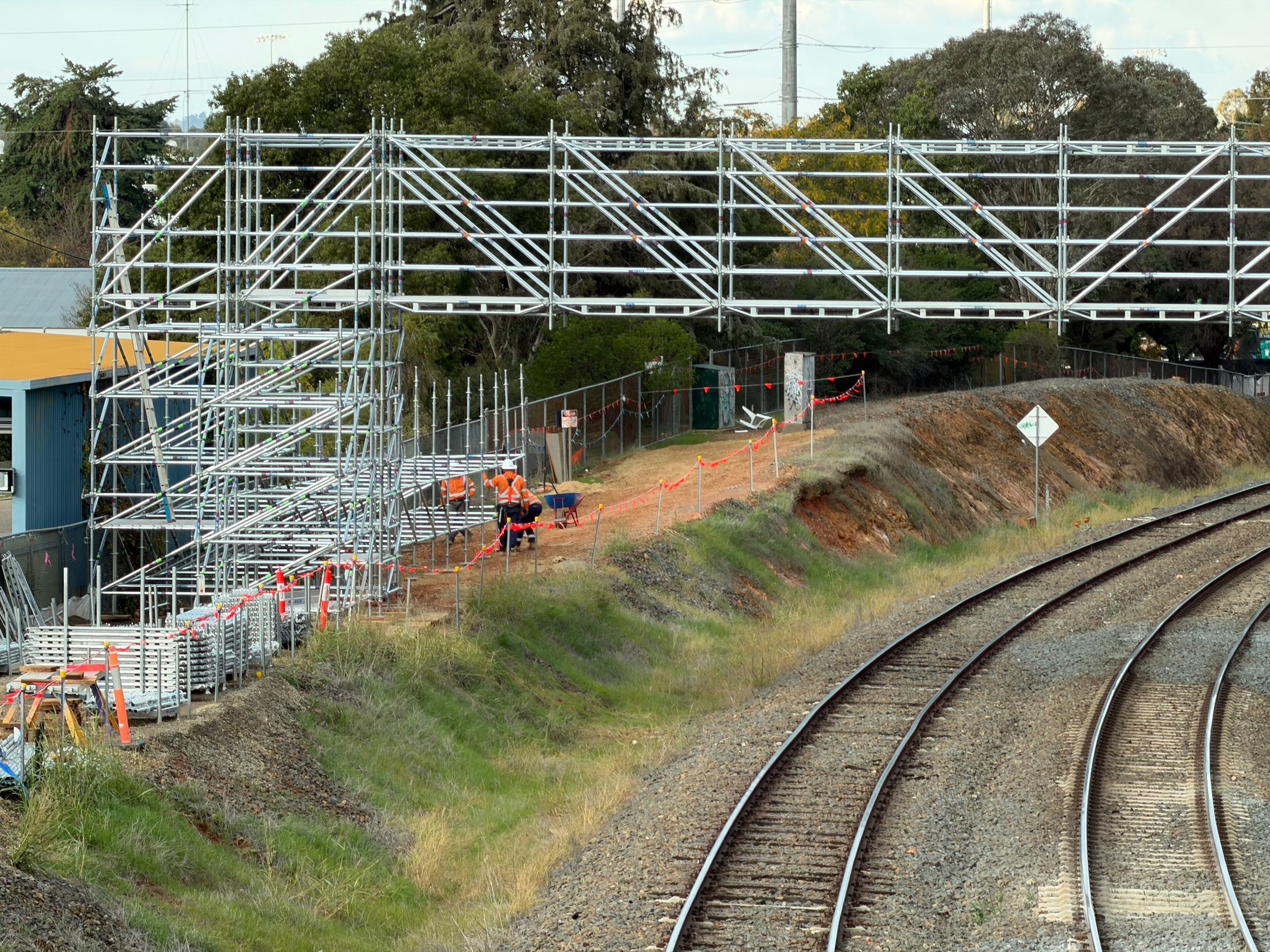
Photo credits: Top photo (cropped) by Kebabknight, CC BY-SA 4.0. Via Wikimedia Commons.
You can leave the optional details blank and discuss them with your broker.
Submitting an enquiry doesn’t put insurance cover in place.
Prefer to talk? Call 07 3103 2992.